Use cases
Ready-to-use mobile data collection scenarios for Google Sheets
Spreadsheet Data Entry helps you collect structured data from a phone and save it to Google Sheets. This page includes ready-to-use scenarios for inventory, inspections, sales, education, logistics, personal finance, food service, and field work.


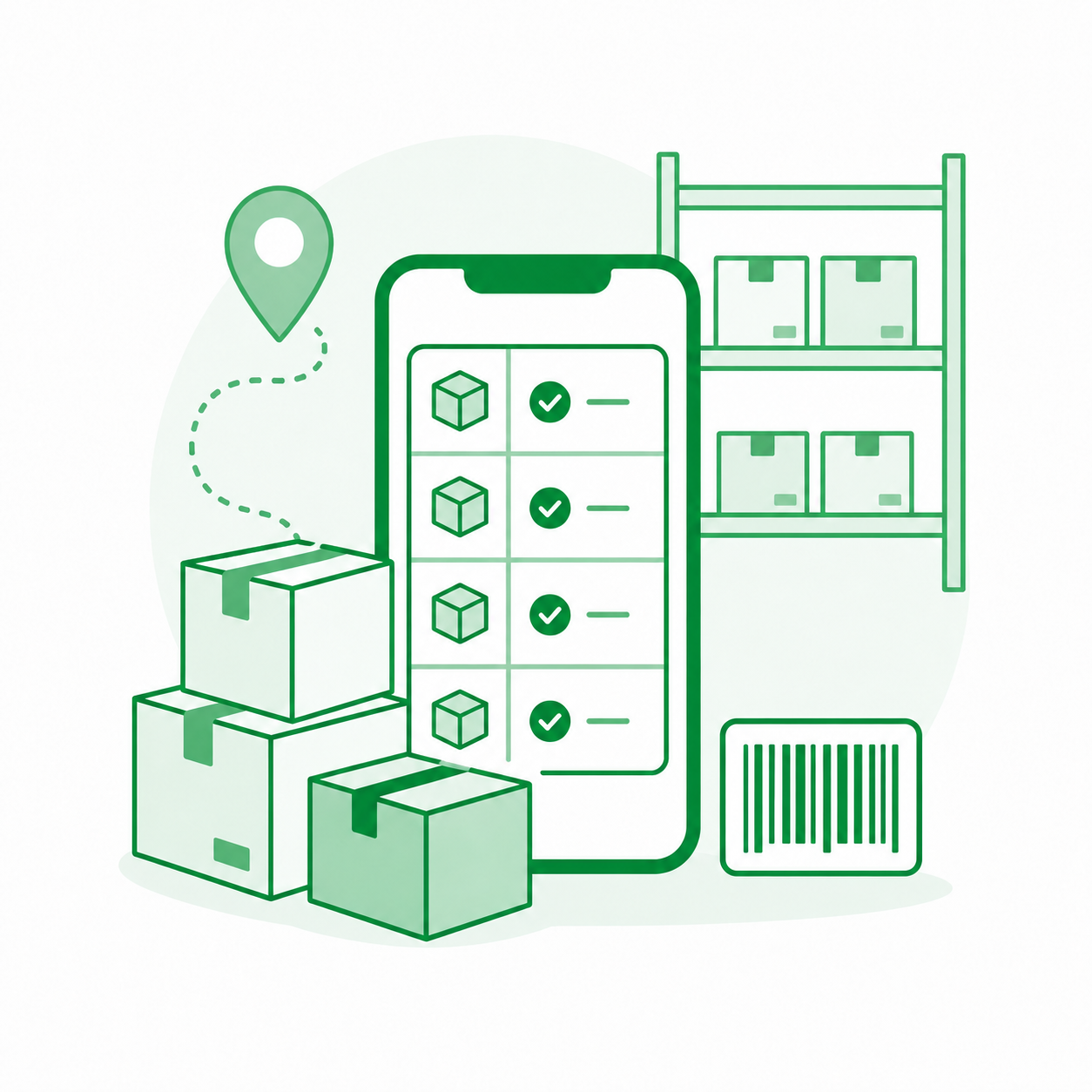
Affordable inventory management for small businesses
for warehouses, stockrooms, and retail locations
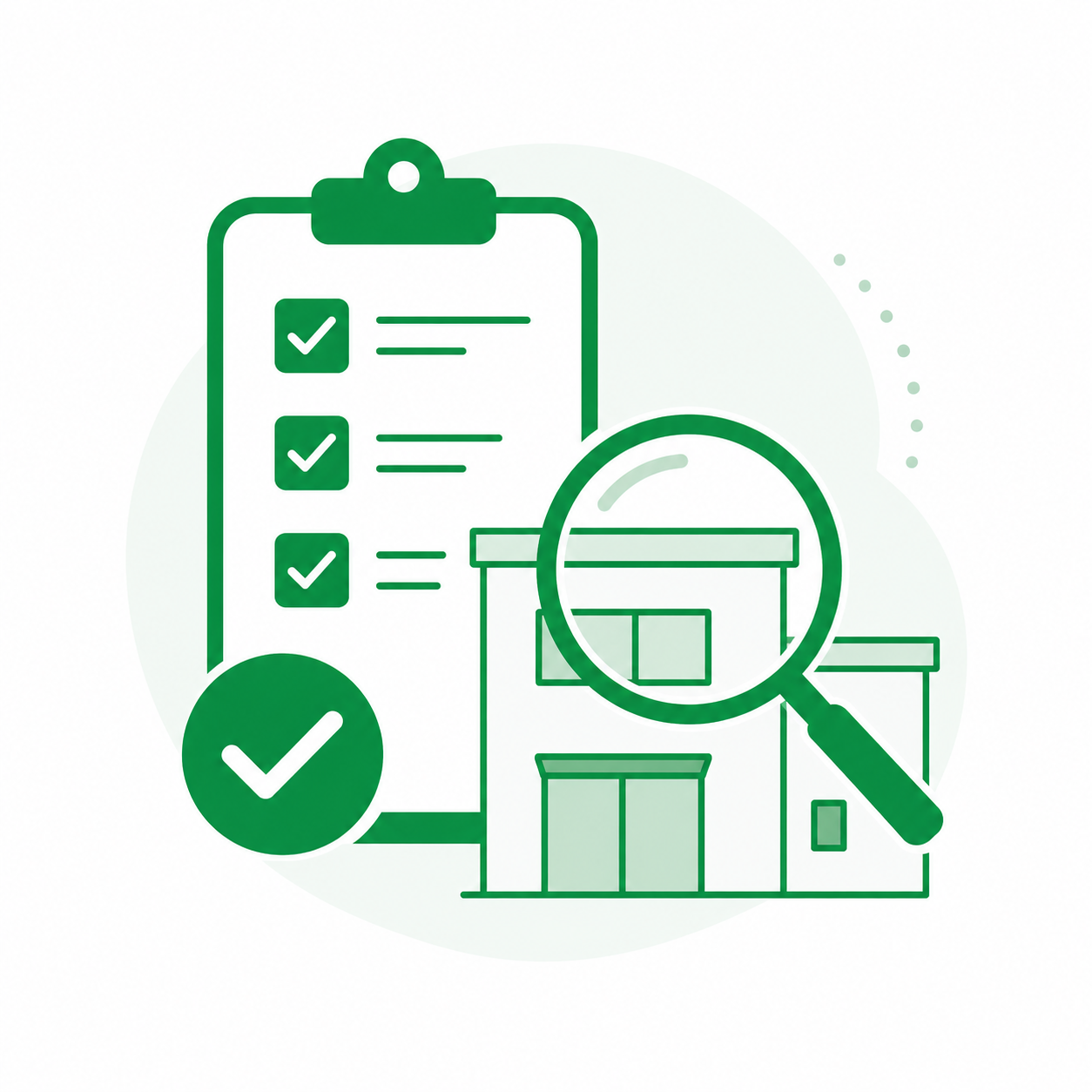
Audits and quality control
for inspectors, supervisors, and facility managers

Education and training
for teachers, tutors, instructors, and training centers

Sales and customer management
for sales managers and field representatives

Personal finance
for individual and shared household expense tracking

Food service and restaurants
for cafés, restaurants, kitchens, and small food businesses
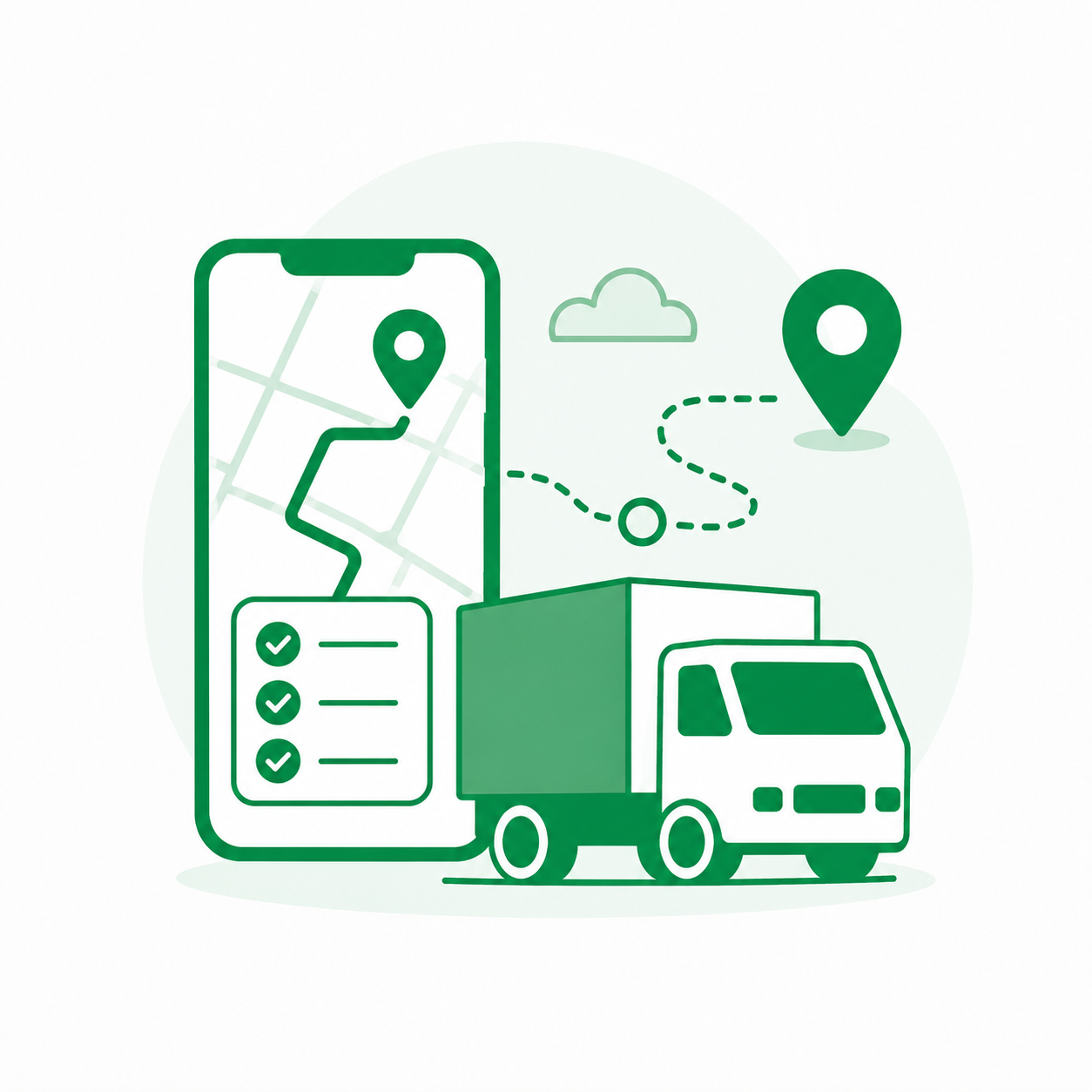
Logistics and transportation
for drivers, couriers, dispatchers, and transport companies

Field teams
for service, installation, maintenance, and other mobile crews
FAQ
What is Spreadsheet Data Entry and which tasks is it designed for?
Spreadsheet Data Entry is a mobile app for entering structured data quickly from a phone. You create a form, add the required fields, and map them to spreadsheet columns. Each submission adds a new row to Google Sheets or can be saved locally. The app is useful for repetitive processes where editing a spreadsheet directly on a small screen is inconvenient.
How do I install the app and connect it to Google Sheets?
Install Spreadsheet Data Entry from the App Store or Google Play, sign in with your Google account, and grant access to the spreadsheets you need. Then create a form, select the Google Sheet and worksheet, add fields, and map each field to a column. After a test submission, check the new row and adjust the field order or required settings if necessary.
Which permissions does the app need to work with Google Sheets?
The app needs access to the Google account only to work with spreadsheets available to that account. Use a separate spreadsheet for each process when practical, limit participant permissions, and avoid collecting data that is not required for the task. File access is controlled through standard Google Sheets sharing settings, so the owner can change or revoke permissions at any time.
Which field types can I add to an SDE form?
A form can include text, numbers, Yes / No switches, date, time, date and time, predefined lists, QR and barcode scanning, and geolocation. Lists and automatic date, time, or location values are useful for repetitive entry. Fields can be required so a record cannot be submitted until the key information has been completed.
How do I choose the right use case for my task?
Choose the category closest to your process, then open a use case with a similar workflow: inventory, inspection, sales, education, logistics, personal finance, food service, or field work. Each use case shows the recommended form structure, spreadsheet fields, alternatives, and SDE benefits. You can use the template as provided or remove columns, rename fields, and add your own list values.
How do I use the ready-made spreadsheet template from a use case?
Each use case includes a spreadsheet template with column headings, a sample row, field setup guidance, and formulas when calculations are needed. Copy the template to Google Sheets, keep the column structure, and map the form fields to those columns. Calculated columns should not be added to SDE: the app sends the source data, while spreadsheet formulas calculate the results automatically.
Can data be collected without an internet connection?
Yes. If there is no connection during work, the submission is saved in a queue on the device and sent to Google Sheets when connectivity returns. Before a long offline session, open the form and verify its settings. After reconnecting, confirm that the queue has been sent and the rows appeared in the spreadsheet, especially when several employees are collecting data at the same time.